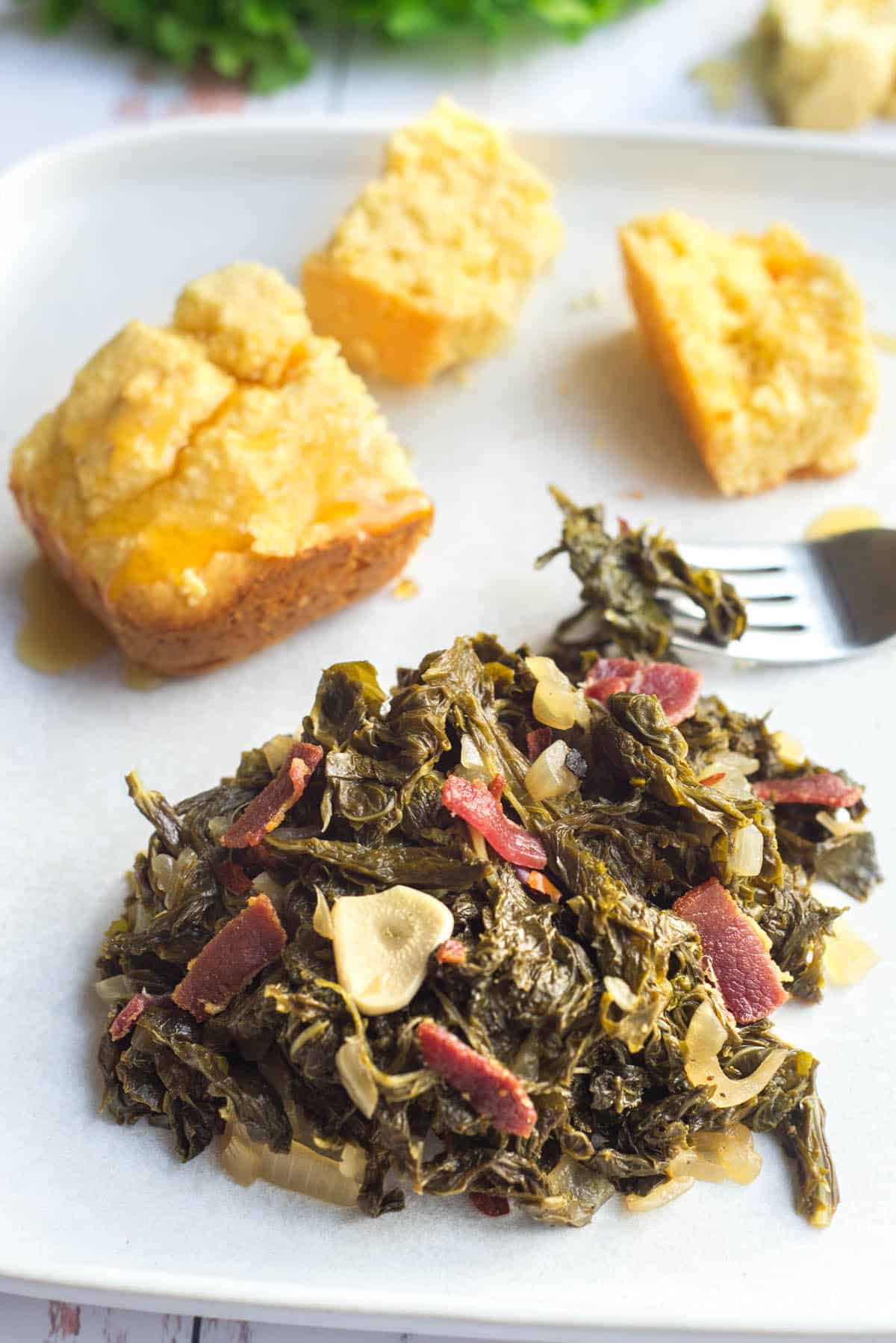
Cook Flavorful Mustard Greens with Bacon Every Time
There's a reason why some food pairings are considered classics, and mustard greens with bacon is undoubtedly one of them. This humble dish, deeply rooted in Southern culinary traditions, offers a symphony of flavors that is both comforting and incredibly satisfying. The pungent, peppery bite of fresh mustard greens finds its perfect counterpoint in the smoky, salty, and savory notes of crispy bacon. Yet, for many home cooks, achieving that ideal balance – greens that are tender but not mushy, flavorful but not overly bitter, and imbued with just the right amount of smoky goodness – can feel like a culinary quest. This comprehensive guide will equip you with all the knowledge and techniques to prepare incredibly flavorful mustard greens with bacon, every single time.
Why Mustard Greens with Bacon is a Culinary Match Made in Heaven
The magic of mustard greens with bacon lies in the masterful interplay of contrasting flavors and textures. Mustard greens, belonging to the Brassica family alongside kale and collards, are known for their distinctively pungent, slightly bitter, and peppery taste. While some might find this intensity daunting, it's precisely what makes them so rewarding when cooked correctly. Bacon, on the other hand, brings a wealth of umami, salinity, and a rich, smoky aroma that transforms the greens into something truly special.
When the bacon is rendered, its fat becomes a golden, flavor-rich medium for sautéing aromatics and then braising the greens. This process not only mellows the greens' inherent bitterness but also infuses them with an unparalleled depth of flavor. The crisp bacon bits, added back at the end, provide a delightful textural contrast. It's a culinary partnership born out of necessity and ingenuity, transforming readily available ingredients into a beloved staple. For a deeper dive into this perfect pairing, explore Bitter & Smoky Bliss: Why Bacon Loves Mustard Greens.
Beyond their incredible taste, mustard greens are nutritional powerhouses. They are packed with vitamins K, A, and C, as well as essential minerals and antioxidants. Incorporating them into your diet, especially in such a delicious preparation, is an excellent way to boost your nutrient intake.
Mastering the Art of Selecting and Preparing Your Greens
The foundation of any great dish of mustard greens with bacon begins with selecting and preparing the greens themselves. Quality ingredients are paramount.
Selecting the Freshest Mustard Greens
- Look for vibrant color: Choose greens that are deep green and free from yellowing or brown spots.
- Examine the leaves: They should be crisp and firm, not wilted or flimsy. Small holes are acceptable (evidence of natural growth), but avoid those with excessive damage.
- Check the stems: The stems should be firm and moist at the cut end.
- Consider variety: There are various types, from curly-leaf mustard greens to broadleaf varieties. While their texture and intensity can vary slightly, the cooking method remains largely similar.
Thorough Cleaning and Chopping
Mustard greens, like most leafy greens, can harbor a surprising amount of grit and sand, especially if grown in sandy soil. Proper cleaning is crucial to avoid a gritty dish.
- Initial Rinse: Separate the leaves and rinse them thoroughly under cold running water, feeling for any debris.
- Soak (Optional but Recommended): Fill a large bowl or clean sink with cold water and submerge the greens. Swish them around vigorously to dislodge any remaining dirt. Let them sit for 5-10 minutes, allowing the grit to settle at the bottom. Lift the greens out of the water, leaving the settled dirt behind. Repeat this process if the water is very cloudy.
- Drain and Dry: Drain the greens well in a colander. While a little moisture is fine for cooking, excess water can dilute flavor and prevent proper sautéing.
- Chop Smartly:
- Remove large stems: For very thick-stemmed greens, you might want to remove the toughest parts of the stems as they can be fibrous and take longer to cook. A good trick is to fold the leaf in half along the stem and tear or cut the stem away.
- Uniform size: Stack several leaves and roll them into a tight cylinder (chiffonade method) or simply stack and chop crosswise into 1-inch to 2-inch pieces. Aim for pieces that are relatively uniform in size to ensure even cooking.
The Essential Ingredients Beyond the Core Duo
While bacon and mustard greens are the stars, a supporting cast of ingredients elevates the dish from good to extraordinary. This classic combination forms the backbone of a delicious Southern-style dish. For an authentic take, check out Southern Style Mustard Greens with Bacon: A Classic Dish.
- Bacon: Opt for good quality, thick-cut smoked bacon. Its robust flavor and generous fat rendering are key. Avoid overly lean bacon, as you need that rendered fat for flavor.
- Aromatics:
- Yellow Onion: Diced, it provides a sweet base that mellows the greens' bitterness.
- Garlic: Minced, it adds a pungent, savory depth.
- Braising Liquid:
- Chicken or Vegetable Broth: Provides moisture and flavor, helping to tenderize the greens.
- Water: Can be used if you prefer the greens' flavor to shine more, especially if you have very flavorful bacon.
- Apple Cider Vinegar (or other vinegar): A crucial ingredient! A splash of vinegar at the end brightens the flavor profile, cuts through the richness, and balances the bitterness of the greens. Red wine vinegar or even a squeeze of lemon juice can also work.
- Seasonings:
- Salt and Freshly Ground Black Pepper: To taste, essential for enhancing all flavors.
- Red Pepper Flakes: Optional, but highly recommended for a touch of heat that complements the greens beautifully.
- Sugar: A pinch of sugar (white or brown) can be added to further temper the bitterness, especially if your greens are particularly pungent. This is often a matter of personal preference.
Step-by-Step Guide to Perfectly Cooked Mustard Greens with Bacon
Follow these steps for a dish of mustard greens with bacon that will impress every time.
- Render the Bacon:
- In a large, heavy-bottomed pot or Dutch oven, cook the diced bacon over medium heat until crispy. This typically takes 8-10 minutes.
- Using a slotted spoon, remove the cooked bacon bits and set them aside on a plate lined with paper towels. Leave the rendered bacon fat (often called "bacon grease") in the pot – this is your flavor goldmine! You should have about 2-3 tablespoons. If there's too much, pour some off. If there's not enough, add a tablespoon of olive oil.
- Sauté the Aromatics:
- Add the diced onion to the pot with the bacon fat. Sauté over medium heat for 5-7 minutes until softened and translucent.
- Add the minced garlic and red pepper flakes (if using) and cook for another 1-2 minutes until fragrant, being careful not to burn the garlic.
- Add the Mustard Greens:
- Add the chopped mustard greens to the pot. This might seem like an overwhelming amount, but they will cook down significantly. If your pot is very full, add them in batches, allowing each batch to wilt slightly before adding more.
- Stir well to coat the greens with the bacon fat and aromatics. Cook for 5-7 minutes, stirring occasionally, until the greens have significantly reduced in volume and are tender-crisp.
- Braise and Simmer:
- Pour in the chicken or vegetable broth (or water). The liquid should come up about halfway to cover the greens.
- Add a pinch of sugar (if using), salt, and black pepper. Stir everything together.
- Bring the liquid to a simmer, then reduce the heat to low, cover the pot, and let the greens braise for 30-45 minutes, or until they are very tender. The exact cooking time will depend on the age and toughness of your greens. Taste a piece to ensure it's tender but not mushy.
- Finish and Serve:
- Once the greens are tender, remove the lid and increase the heat to medium-high for a few minutes to allow any excess liquid to reduce slightly, if desired. You want some "pot liquor" (the flavorful cooking liquid), but not a soup.
- Stir in the apple cider vinegar. This step is crucial for balancing the flavors and adding a bright finish.
- Taste and adjust seasonings, adding more salt, pepper, or a touch more vinegar if needed.
- Finally, stir in most of the reserved crispy bacon bits. Reserve a few for garnish.
- Serve hot, garnished with the remaining bacon bits. This dish is fantastic on its own, with cornbread, or as a side to roasted meats.
Troubleshooting Common Mustard Green Mistakes
Even with a solid recipe, sometimes things don't go exactly as planned. Here are solutions to common issues when cooking mustard greens with bacon:
- Greens are too bitter:
- Solution: Ensure you added enough flavorful liquid and let them braise long enough. A pinch more sugar can cut through bitterness. A generous splash of apple cider vinegar at the end is also key for balance. Some very mature greens can be blanched briefly in boiling water before sautéing to reduce bitterness, but this can also leach some flavor.
- Greens are tough:
- Solution: They simply need more cooking time. Return the pot to the stove, add a bit more liquid if needed, cover, and continue to simmer until tender. Next time, try chopping them into smaller pieces.
- Greens are slimy or mushy:
- Solution: Sliminess often occurs if the greens are overcrowded in the initial sauté or if they cook for too long in too much liquid without being stirred. Ensure you add them in batches if necessary and don't over-braise. Mushiness is a sign of overcooking; keep an eye on tenderness.
- Dish lacks flavor:
- Solution: Did you use enough bacon fat? Did you properly sauté the aromatics? Don't skimp on salt, pepper, and especially the apple cider vinegar. A dash of hot sauce at the table can also perk things up.
Cooking flavorful mustard greens with bacon is a truly rewarding experience, transforming simple ingredients into a dish bursting with character and comfort. By understanding the interplay of flavors, meticulously preparing your greens, and following a few key techniques, you can achieve perfectly tender, smoky, and beautifully balanced greens every single time. So, gather your ingredients, embrace the process, and get ready to enjoy a timeless classic that will undoubtedly become a regular in your culinary repertoire.
